
Terence Crawford Shakes Up the Welterweight Division: Moving Up to Super-Welterweight, Vacates Belts
In a decisive move that has reverberated throughout the boxing world, Terence Crawford, the former undisputed welterweight champion, has officially vacated his titles and is making a bold transition to the super-welterweight division. This shift marks a pivotal moment in Crawford’s career as he steps away from the 147-pound weight class, leaving behind a legacy of dominance and setting his sights on new challenges.
Crawford’s Strategic Move: Leaving Welterweight Behind
Terence Crawford’s departure from the welterweight division is a significant development. Having reigned supreme as the undisputed champion and later as a unified title holder, Crawford’s decision to move up reflects a strategic shift in his quest for boxing greatness. The move comes after a noteworthy performance against Israil Madrimov at the BMO Stadium in Los Angeles, where Crawford secured a unanimous victory. This win not only cemented his position as a formidable fighter but also underscored his readiness to conquer the super-welterweight division.
Crawford’s latest victory has added to his accolades, now holding the WBA light-middleweight title and the interim WBO super-welterweight belt. As he vacates his welterweight titles, the boxing world is left to speculate about his future plans and the potential for high-profile matchups.
A tweet from talkSPORT‘s Michael Benson read, “Terence Crawford has now officially vacated his WBO welterweight world title.”
The Title Shifts: A New Order in Welterweight
The impact of Crawford’s move extends beyond his own career. With Crawford vacating the WBO welterweight world title, the vacant belt has been awarded to Brian Norman Jr., who had previously held the interim title. Norman Jr. secured his interim status with a tenth-round knockout victory over Giovani Santillan on the Emanuel Navarrete–Denys Berinchyk undercard. This promotion elevates him to the position of WBO welterweight champion, marking a new chapter in the division’s hierarchy.
In addition to Norman Jr.’s promotion, the WBC’s earlier move to designate Crawford as a ‘champion in recess’ had already set the stage for shifts within the welterweight ranks. This designation led to Mario Barrios being promoted from interim to full WBC champion, further altering the landscape of the division.
“Crawford currently still remains WBA welterweight world champion, but it appears likely he could soon also vacate that belt,” the post mentioned.
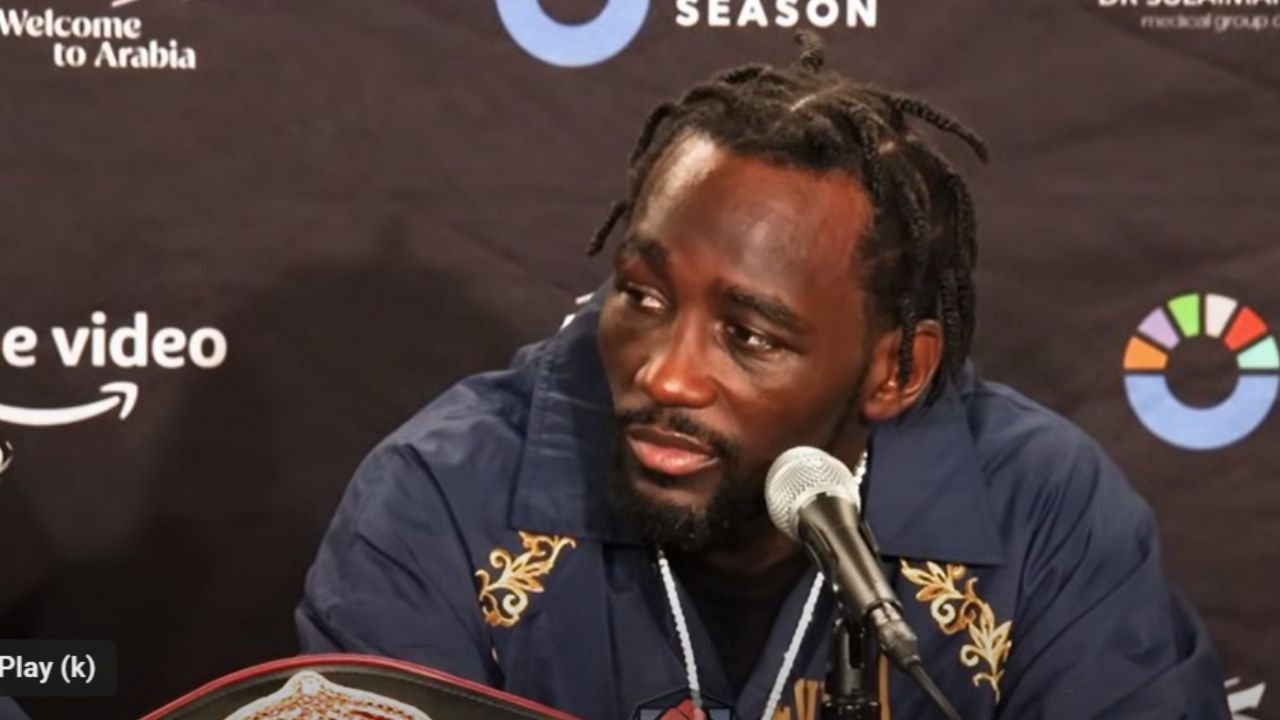
Crawford’s Path Forward: The Super-Welterweight Division Beckons
Crawford’s transition to super-welterweight is not just a career move but a bold statement of intent. As he steps into this new weight class, he joins a competitive field that includes prominent fighters and emerging challengers. The transition also opens doors for potential matchups with high-profile names, although a fight with Canelo Alvarez—once a speculated target—seems less likely at this juncture.
The shifting dynamics of the division also highlight Crawford’s strategic approach. His departure from welterweight follows a complex sequence of events, including his status as a unified champion and subsequent negotiations for mandatory defenses. The IBF’s decision to elevate Jaron Ennis to full champion further emphasizes the changes in the division. With Crawford’s departure, the current lineup now features:
- WBC Champion: Mario Barrios
- WBA Champion: Eimantas Stanionis
- IBF Champion: Jaron Ennis
- WBO Champion: Brian Norman Jr.
Editor’s Insight
Terence Crawford’s decision to vacate his welterweight titles and move up to super-welterweight is a testament to his strategic vision and adaptability in the sport. As Crawford embarks on this new chapter, the boxing world watches with anticipation. His legacy as a welterweight champion remains significant, but his future in super-welterweight promises new challenges and opportunities. The evolving landscape of the welterweight and super-welterweight divisions reflects the dynamic nature of boxing, where each move can redefine a fighter’s career trajectory and impact the broader competitive field.