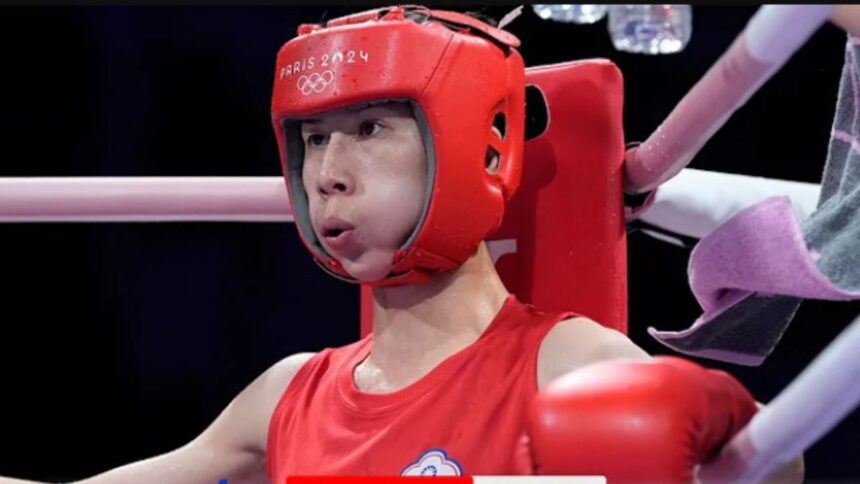
1. Lin Yu-Ting’s Dominant Victory Amidst Controversy
Taiwanese boxer Lin Yu-Ting showcased her dominance with a decisive 5-0 victory over Uzbekistan’s Sitora Turdibekova, advancing to the Paris 2024 Quarter-Finals. Despite her success in the ring, Yu-Ting finds herself embroiled in a controversy that has captured the attention of the boxing world.
2. The Controversial Gender Testing
Lin Yu-Ting and Algeria’s Imane Khelif faced scrutiny over the IBA’s gender testing protocols in 2023. Both boxers failed these unspecified procedures, leading to their temporary suspension from competition. However, they were reinstated for the Olympic qualifiers after a six-month hiatus, raising questions and concerns about the testing process and its implications.
3. Khelif’s Swift Victory Over Carini
In a contrasting outcome, Imane Khelif secured a rapid victory against Italy’s Angela Carini. The fight ended in just 46 seconds as Carini withdrew, unable to withstand Khelif’s powerful punches. This swift win highlighted Khelif’s prowess but also added fuel to the ongoing debate surrounding her eligibility.
4. Yu-Ting’s Tactical Mastery Over Turdibekova
Unlike Khelif’s quick win, Lin Yu-Ting’s bout against Turdibekova was a display of tactical mastery. Yu-Ting controlled the fight from start to finish, earning a unanimous 5-0 decision from the judges. Her performance underscored her skill and determination, despite the shadow of controversy.
5. Statements from IBA and IOC
In response to the controversy, both the IBA (International Boxing Association) and the IOC (International Olympic Committee) issued statements. The IOC emphasized its commitment to protecting the human rights of all athletes, while expressing sorrow over the abuse faced by Khelif and Yu-Ting. The IBA, however, questioned the IOC’s decision to reinstate the boxers despite their failed tests.
6. IOC’s Commitment to Athlete Protection
The IOC reiterated its dedication to safeguarding the rights and safety of athletes, as outlined in the Olympic Charter, IOC Code of Ethics, and the IOC Strategic Framework on Human Rights. “The IOC is committed to protecting the human rights of all athletes participating in the Olympic Games,” the statement read, highlighting the organization’s stance on the issue.
7. IBA’s Concerns Over Eligibility and Safety
The IBA voiced its concerns regarding the eligibility criteria and the safety of boxers in the ring. “We absolutely do not understand why any organization would put a boxer at risk,” the IBA stated, emphasizing the role of referees in ensuring the safety of competitors. This statement underscored the ongoing tension between the IBA and IOC over the handling of the situation.
8. Upcoming Matches for Khelif and Yu-Ting
Both boxers are set to continue their Olympic journeys with upcoming matches. Khelif will face Hungary’s Luca Anna Harnori on Saturday, while Yu-Ting is scheduled to box against Bulgarian Svetlana Staneva in her quarter-final on Sunday. These matches are expected to draw significant attention, given the controversy surrounding their participation.
9. Fans and Public Reaction
The controversy has sparked widespread debate among fans and the public. Opinions are divided, with some supporting the boxers’ right to compete, while others question the integrity of the testing process and the decisions made by the IOC and IBA. The online discussion reflects the broader issues of fairness, transparency, and athlete rights in competitive sports.
10. The Future of Gender Testing in Boxing
The cases of Lin Yu-Ting and Imane Khelif highlight the complexities and challenges of gender testing in boxing. As the sport evolves, there is a pressing need for clear, consistent, and fair protocols that protect the rights and safety of all athletes. The current controversy serves as a catalyst for necessary reforms and discussions within the boxing community.
Editor’s Insight
Lin Yu-Ting and Imane Khelif’s situations underscore the delicate balance between fairness and safety in competitive sports. The controversies surrounding their reinstatement and the ensuing debates reveal gaps in the current testing and eligibility systems. It’s crucial for governing bodies to address these issues transparently, ensuring that the rights of all athletes are upheld while maintaining the integrity of the sport.