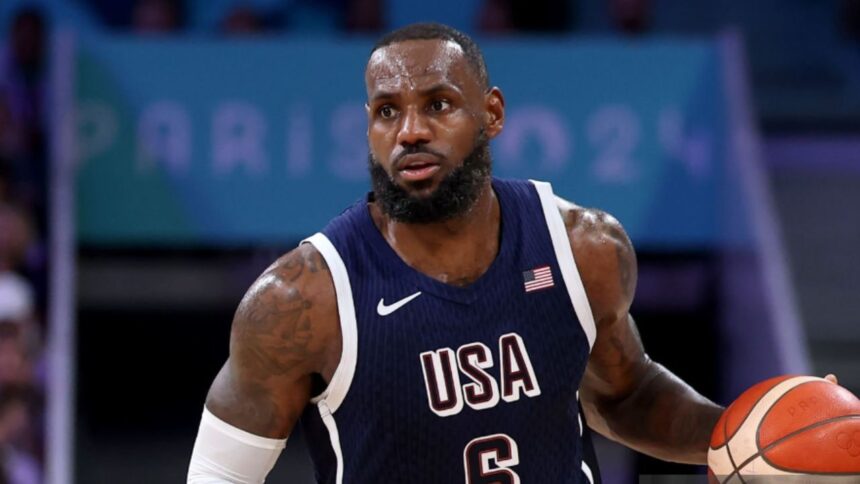
LeBron James vs. Muhammad Ali: The Clash of Icons and the Controversy Unveiled
In the heart of the Paris Olympics, where legends are celebrated and new heroes are born, a fierce debate has emerged involving one of today’s most prominent athletes, LeBron James. While the NBA superstar has enjoyed a storied career and made headlines for his on-court excellence and off-court activism, a recent comparison to the legendary Muhammad Ali has ignited a firestorm of criticism and controversy.
The Heated Exchange
The comparison between LeBron James and Muhammad Ali, proposed by media veteran Dan Le Batard, has set the stage for a heated debate. In a bold statement, Le Batard hailed LeBron as “today’s Muhammad Ali,” a sentiment that sparked an intense rebuttal from former ESPN commentator Jason Whitlock.
Whitlock’s reaction was swift and scathing. Taking to Twitter, he dismissed Le Batard’s comparison as “laughable,” arguing that LeBron’s activism pales in comparison to Ali’s legacy. “Dan Le Batard calls LeBron James ‘today’s Muhammad Ali.’ This is laughable,” Whitlock tweeted. “As an ‘activist,’ LeBron faces zero resistance. He’s never been interviewed by a critic. Ali confronted and debated his adversaries. LeBron ducks them and pays people to produce content in support of him.”
Whitlock’s criticism extends beyond mere comparison. He claims that LeBron, despite his basketball prowess, has failed to make a significant impact outside of his Nike endorsements. “LeBron stands for nothing beyond Nike’s global agenda,” Whitlock asserts. “Ali took real risks based on his convictions. LeBron has risked nothing.”
A Clash of Icons
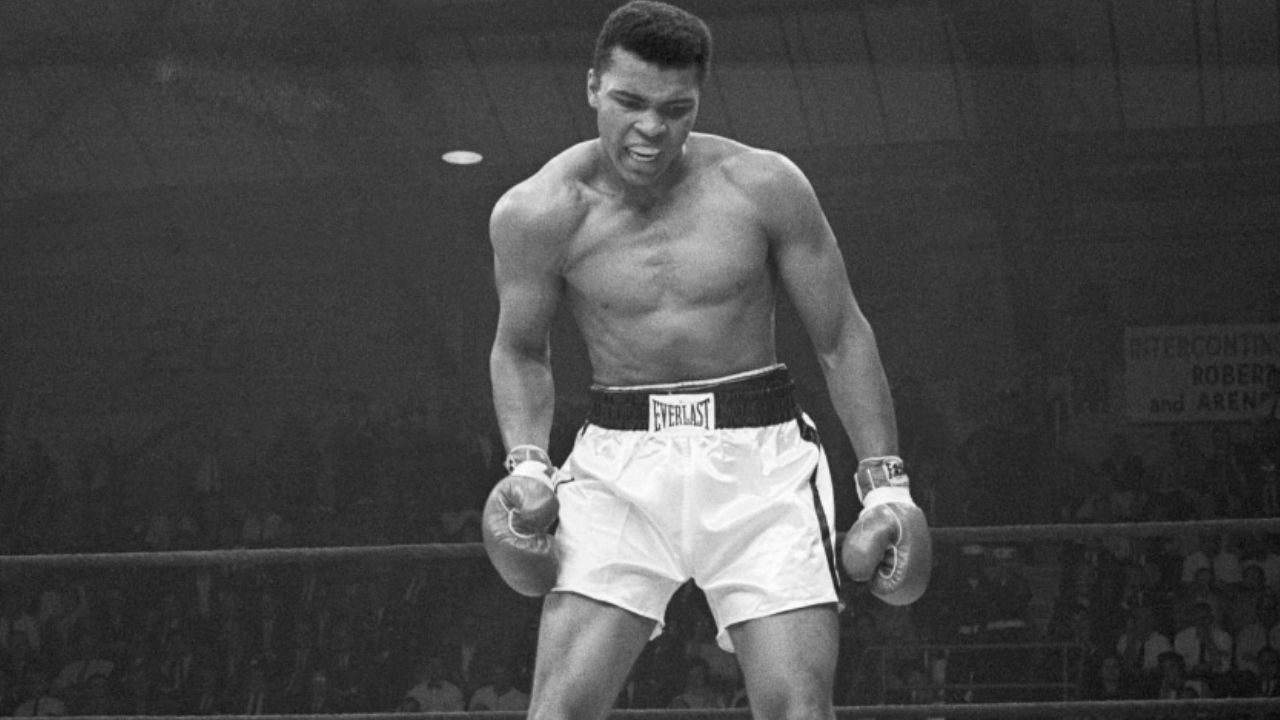
The comparison between LeBron James and Muhammad Ali is both complex and contentious. Muhammad Ali, a symbol of resistance and social justice, famously stood up against the Vietnam War and faced significant backlash for his activism. His name remains synonymous with courage and defiance.
LeBron James, meanwhile, has wielded his influence to address social issues in modern contexts. His efforts include founding the “More Than A Vote” initiative to combat voter suppression and advocating for various social causes. Despite these efforts, Whitlock’s critique suggests that LeBron’s activism is overshadowed by his commercial interests, specifically his long-standing relationship with Nike.
A Legacy in Question
LeBron’s career, marked by his four NBA championships and numerous accolades, has also seen him at the center of various social issues. The Lakers star has openly praised Muhammad Ali, acknowledging the late boxer’s profound impact on sports and society. In a statement following Ali’s passing, LeBron lauded the boxer’s legacy: “He is the greatest of all time, and he was the greatest of all time because of what he did outside of the ring.”
Despite his admiration for Ali, LeBron’s critics argue that his activism does not carry the same weight or risk as Ali’s. Whitlock contends that LeBron’s role in contemporary activism, while notable, lacks the profound personal sacrifice and confrontation that defined Ali’s career.
LeBron James ‘today’s Muhammad Ali.’ This is laughable.” While Ali dedicated most of his life as an activist fighting for people’s rights and equality, Jason believes Bron is far from making such an impact. “As an ‘activist’ LeBron faces zero resistance. He’s never been interviewed by a critic. Ali confronted/ debated his adversaries. LeBron ducks them and pays people to produce content in support of him.”
The LeBron Effect
LeBron James has undeniably transformed the landscape of sports and activism. His involvement in initiatives like “More Than A Vote” and his philanthropic efforts, including the establishment of the I PROMISE School, showcase his commitment to societal change. Additionally, his recognition with the Muhammad Ali Legacy Award underscores his influence in both sports and social issues.
However, the debate around his comparison to Ali highlights the evolving nature of activism. The challenges and risks faced by athletes today differ from those of previous generations, reflecting changes in the socio-political landscape.
Is there nobody in the media, no media organization that gets close enough or led into these press conferences to ask real questions?”
The Verdict
The comparison between LeBron James and Muhammad Ali reflects broader discussions about the nature of activism and the impact of contemporary athletes. While Ali’s legacy is firmly rooted in his courageous defiance and activism, LeBron’s contributions, though significant, are viewed through the lens of modern challenges and commercial interests.
As the debate continues, it’s clear that both athletes have left indelible marks on their respective eras. Whether or not LeBron James can be equated to Muhammad Ali, his role as a transformative figure in sports and society remains a matter of profound discussion.
“Ali was attached to a religious organization. LeBron couldn’t spell church or faith.” Then, continuing his criticism for the 39-year-old legend, Whitlock also put a major accusation on him, “LeBron is a great basketball player, one of the 5 or 6 best of all time. He stands for nothing beyond Nike’s global agenda. Ali took real risks based on his convictions. LeBron has risked nothing.”
“He is the greatest of all time and he was the greatest of all time because of what he did outside of the ring.”
“Today I can sit and go to China and make trips to China and all over the world and people know my name and know my face, I give all credit to Muhammad Ali because he was the first icon,” Bron once said.