1. IBA’s Stand on Disqualification
The International Boxing Association (IBA) has firmly stated that Imane Khelif and Lin Yu-Ting should not be allowed to compete in the Paris 2024 Olympics. This statement, although lacking in detailed explanations, has intensified the ongoing debate surrounding the eligibility of these athletes.
2. The Mysterious Tests: Not Testosterone-Based
Contrary to initial beliefs, the tests that led to the disqualification of Khelif and Lin were not related to elevated testosterone levels. The IBA clarified that these tests were of a different nature, designed to detect competitive advantages in female athletes, but the specifics remain confidential.
3. The Speculation: Gender-Related Testing
There is widespread speculation that the tests may have been related to gender or chromosomal composition, though the IBA has neither confirmed nor denied this. The lack of transparency has only fueled rumors and controversy within the sporting community.
4. Angela Carini’s Withdrawal Highlights Concerns
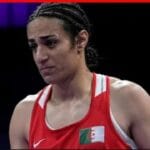
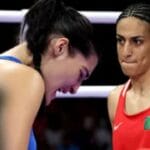
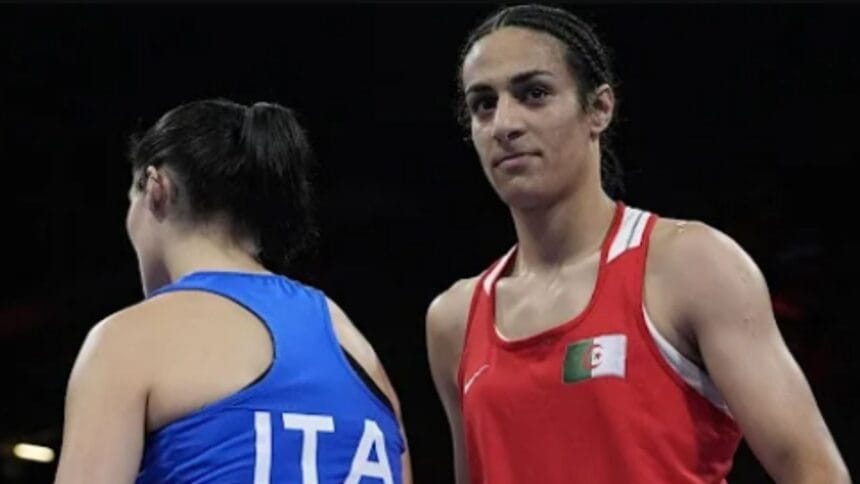
The controversy reached a peak when Italian boxer Angela Carini withdrew from her match against Khelif, citing the overwhelming strength of Khelif’s punches. This incident has drawn further attention to the IBA’s concerns about competitive fairness and athlete safety.
5. Official Statements from IBA
The IBA released a statement detailing the testing and disqualification process: “The athletes did not undergo a testosterone examination but were subject to a separate and recognized test. This test conclusively indicated that both athletes did not meet the required eligibility criteria and were found to have competitive advantages over other female competitors.”
6. Legal Binding of IBA Decisions
Both athletes had the opportunity to appeal the IBA’s decision to the Court of Arbitration for Sport (CAS). Lin Yu-Ting did not appeal, making the decision legally binding. Imane Khelif initially appealed but later withdrew, rendering the IBA’s decision final and binding.
7. Consistency in Eligibility Criteria
The IBA has expressed concerns over the inconsistent application of eligibility criteria across different sporting organizations, including those overseeing the Olympic Games. They highlighted the importance of maintaining competitive fairness and ensuring athlete safety.
8. Defending the Athletes: Intersex and Gender Identity
Khelif has been defended as an intersex athlete, with her spokesperson Rosario Coco clarifying that she was born with both male and female characteristics but has always identified and competed as a woman. Lin Yu-Ting has been supported by Taiwan authorities, who affirmed her registration as female at birth.
9. IOC’s Dilemma
The International Olympic Committee (IOC) faces a challenging decision on whether to disqualify Khelif and Lin from the Paris 2024 Games. The uproar following Carini’s withdrawal has added pressure on the IOC to address the controversy decisively.
10. The Future of Competitive Fairness
The ongoing situation raises critical questions about the future of competitive fairness in sports. How sporting bodies handle such cases will set precedents for handling similar issues in the future, ensuring a level playing field while respecting the diversity of athletes.
Editor’s Insight: Upholding Fairness and Transparency
This controversy underscores the need for clear, transparent, and consistent regulations in sports. The integrity of competitions depends on maintaining fairness and safety for all athletes. As the debate continues, sports organizations must prioritize transparency and fairness in their decision-making processes to uphold the values of competitive sports.