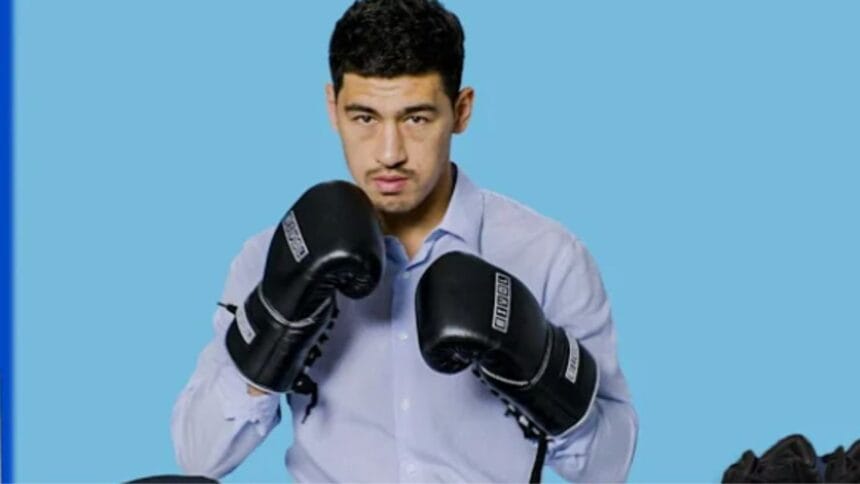
Bivol’s Latest Training Focus: Uppercuts for a New Challenge
In a striking development, WBA light heavyweight champion Dmitry Bivol is honing his uppercut skills as he gears up for his October 12th bout against IBF/WBC/WBO champion Artur Beterbiev. This shift in training is aimed at preparing Bivol (23-0, 12 KOs) for the close-quarters battle that Beterbiev (20-0, 20 KOs) is likely to bring. The emphasis on uppercuts reflects Bivol’s effort to adapt his game for the upcoming high-stakes clash in Riyadh.
Power vs. Precision: The Challenge of Bivol’s Strategy
While Bivol is focusing on uppercuts, many experts argue that what he truly needs is increased punching power. Beterbiev’s relentless pressure and knockout prowess present a formidable challenge that may not be mitigated simply by improving uppercut techniques. The power factor will be crucial, as demonstrated by Beterbiev’s recent performance against Callum Smith, where he overwhelmed a significantly larger opponent with his sheer force.
Late Career Adjustments: Can Bivol Develop Enough Power?
At 33, Bivol faces the challenge of making significant adjustments late in his career. His traditional style has relied on maintaining distance and using technical skills rather than close-range power. Adapting to Beterbiev’s style, which favors aggressive, high-pressure tactics, poses a significant hurdle. Whether Bivol can develop the necessary power to compete effectively remains to be seen.
Risk of Uppercuts: A Double-Edged Sword
Throwing uppercuts against a powerful puncher like Beterbiev carries inherent risks. Bivol must navigate the dangers of getting caught while attempting these close-range punches. If he is unable to execute these uppercuts without leaving himself vulnerable, it could spell disaster against an opponent with Beterbiev’s knockout capability.
Adapting to Beterbiev’s High-Pressure Style
Bivol’s preparation includes finding sparring partners who can emulate Beterbiev’s aggressive fighting style. This adaptation is crucial, as Bivol’s previous bouts, including his struggle against Lyndon Arthur, have shown his difficulties in handling intense pressure. Without adequate sparring to simulate Beterbiev’s relentless approach, Bivol may be ill-prepared for the fight.
Bivol’s Previous Performance: A Glimpse into Potential Vulnerabilities
Bivol’s performance against Lyndon Arthur highlighted some of his potential weaknesses, including his tendency to stay outside and avoid exchanges after being hurt. This cautious approach could be detrimental against Beterbiev, who excels in forcing his opponents into uncomfortable positions and capitalizing on their mistakes.
Public Perception vs. Reality: Mismatch or True Challenge?
Casual boxing fans might view Bivol vs. Beterbiev as a mismatch, given Bivol’s previous success against notable opponents like Canelo Alvarez and Gilberto ‘Zurdo’ Ramirez. However, Beterbiev’s unique style and knockout record suggest this fight is anything but a walk in the park. The public perception may not fully appreciate the complexities of this matchup.
Bivol’s Tactical Evolution: A Bid for Success
Bivol’s tactical shift to emphasize uppercuts demonstrates his willingness to evolve and face Beterbiev head-on. This preparation highlights the dynamic nature of boxing, where fighters must continuously adapt to remain competitive. Whether this change will prove effective in the ring remains one of the key questions leading up to the fight.
Beterbiev’s Dominance: The Big Question for Bivol
Beterbiev’s dominance in the light heavyweight division is a significant factor in this bout. His ability to neutralize opponents with his power and pressure is well-established, making him a challenging adversary for Bivol. The outcome of this fight will likely hinge on whether Bivol can effectively counter Beterbiev’s aggressive style.
Preparing for the Unpredictable: Bivol’s Strategic Gamble
Bivol’s preparation strategy represents a gamble on whether focusing on uppercuts and increasing his punching power will be enough to counter Beterbiev’s relentless style. The effectiveness of this approach will be tested in the ring, and the result will likely have significant implications for both fighters’ careers.