The Split That Shattered Heavyweight Unity
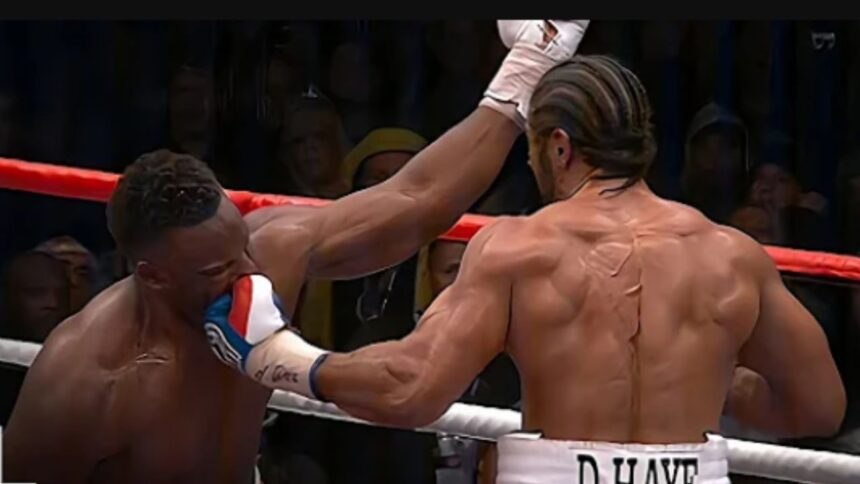
In 2011, boxing fans witnessed a pivotal moment when the World Boxing Association (WBA) introduced the ‘Regular’ heavyweight title, a move that would set the stage for years of confusion and controversy. This decision came at a time when David Haye and Wladimir Klitschko were poised to unify the heavyweight division, but the introduction of a new belt muddied the waters and fractured the championship landscape.
The Birth of the ‘Regular’ Title: A Controversial Decision
The inception of the WBA ‘Regular’ title came when Alexander Povetkin faced Ruslan Chagaev in late 2011. This new designation was meant to address the WBA’s need to create more opportunities for sanctioning fees, but it quickly drew ire from fans and pundits alike. The question of why a new belt was necessary when the heavyweight division was already deeply competitive lingered, highlighting the WBA’s tendency to prioritize financial gain over clarity.
Povetkin’s Reign and the Unfulfilled Promises
Povetkin, the inaugural holder of the ‘Regular’ title, held the belt until 2013. His reign was marked by a promised unification bout with Wladimir Klitschko, which was seen as a potential end to the title’s existence. However, the WBA’s assurances that the ‘Regular’ belt would be phased out never materialized, leading to an ongoing cycle of controversy and dissatisfaction.
The Curse Begins: Oquendo vs. Chagaev
The first defense of the ‘Regular’ title saw Fres Oquendo and Ruslan Chagaev compete in a bout that would set the tone for the title’s troubled history. Their match, marred by delays and controversies, ended with Chagaev winning a majority decision. However, Oquendo’s successful appeal for a rematch never came to fruition, beginning a series of issues that would plague the title’s legitimacy.
The Rise and Fall of Lucas Browne
Lucas Browne’s unexpected victory over Chagaev in 2016 seemed to offer a fresh start for the ‘Regular’ title. However, Browne’s subsequent suspension for a banned substance cast a shadow over his achievement. The controversy surrounding Browne’s suspension and the claims of food tampering further tainted the title’s reputation, leading to even more confusion.
The Failed Tournament and Its Fallout
In an effort to resolve the disarray, the WBA announced a tournament to unify the ‘Regular’ and ‘Super’ titles. This ambitious plan, which included eight fighters, was intended to streamline the heavyweight division. Unfortunately, the tournament never fully materialized, with only one bout – Klitschko vs. Fury – taking place. The collapse of this plan left the heavyweight division in a state of disarray.
The Rise of Mahmoud Charr and Further Complications
Mahmoud Charr’s unexpected victory over Alexander Ustinov in 2017 further complicated the situation. Charr’s title reign was marred by ongoing litigation and confusion over mandatory defenses. The introduction of additional titles, such as the WBA Gold Championship, only added to the chaos, as the WBA struggled to manage its growing list of champions.
Interim Titles and Legal Battles
The introduction of interim titles exacerbated the situation, with Trevor Bryan claiming the interim version before the WBA’s eventual decision to abolish these titles. Despite these efforts, legal battles and further delays continued to plague the division. Oquendo’s ongoing legal challenges and the confusion surrounding his opportunities added to the title’s problematic history.
The Temporary Recess and Revival of the ‘Regular’ Title
The ‘Regular’ title was supposed to be retired, but it was reinstated after a brief recess, with Charr’s attempt to regain the title facing further delays. The ongoing issues with the title’s defense and its contested status have left fans and analysts questioning the WBA’s commitment to resolving the heavyweight division’s problems.
Looking Forward: The Future of the WBA Heavyweight Titles
The saga of the WBA ‘Regular’ heavyweight title highlights the broader issues facing boxing’s sanctioning bodies. With ongoing disputes, legal challenges, and the introduction of additional belts, the heavyweight division remains fragmented. The WBA’s handling of the title has left fans frustrated and eager for a clear and unified championship.