Semenya’s Support for Khelif Raises Eyebrows
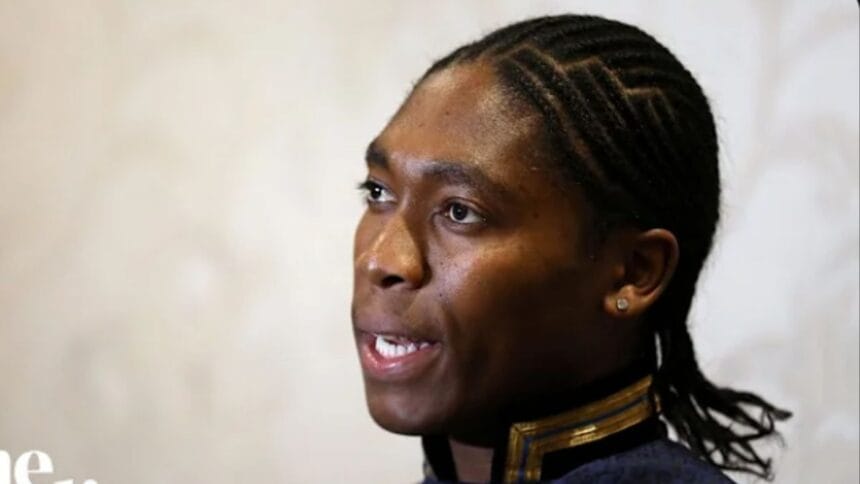
Caster Semenya, the South African runner whose career has been marred by controversy over her intersex condition, has voiced support for Imane Khelif, a fellow athlete with Differences in Sex Development (DSD). Semenya’s backing comes amidst growing scrutiny and debate surrounding Khelif’s recent Olympic gold medal victory in boxing.
The Shadow of Semenya’s Own Controversy
Semenya was suspended from competition in 2019 following her gold medal win at the 2016 Rio Olympics. The suspension was a result of her refusal to undergo treatment for elevated testosterone levels, a condition linked to her DSD. The debate around Semenya has been reignited by the controversy surrounding Khelif’s participation in the Olympics.
Khelif and Yu-Ting’s DSD Controversy
Khelif and featherweight Lin Yu-Ting were both reported to have tested positive for XY chromosomes, typically associated with male athletes. Despite these findings, they competed and Khelif clinched a gold medal. The International Boxing Association (IBA) had previously warned the International Olympic Committee (IOC) about these athletes, but the IOC did not act on these concerns, leading to significant debate.
IOC’s Testing Protocols Under Fire
The IOC’s current approach relies on the gender listed in an athlete’s passport rather than comprehensive sex testing for suspected DSD cases. This has led to Khelif’s and Yu-Ting’s participation despite their DSD status, highlighting a potential gap in the IOC’s testing protocols and sparking a wider conversation about fairness in women’s sports.
Semenya Speaks Out Against Discrimination
In an emotional statement, Semenya criticized the treatment of Khelif, accusing detractors of discrimination. “Imane is a great boxer, and people always criticize when someone is doing well,” Semenya told SportsBoom.com. “Sport is for all people. The constitution says no to discrimination. The IOC needs to lead by example and protect women.”
Semenya’s Personal Struggles and Advocacy
Semenya has been vocal about her own struggles with elevated testosterone levels and internal male sex characteristics. She asserts that these conditions do not diminish her identity as a woman. “I am a woman and have a vagina just like any other woman,” she told the BBC. Semenya emphasizes that individual identity should not be defined by medical conditions.
The Debate Over Fairness and Gender Identity
The controversy raises questions about fairness in sports, particularly regarding body density, strength, and endurance. Critics argue that athletes with DSD might have advantages, but Semenya believes that these discussions should not overshadow the athlete’s identity and rights. The debate continues as the IOC faces pressure to address these complex issues.
The Future of Sex Testing in Sports
As the focus shifts to the 2028 Los Angeles Olympics, there is a growing call for the IOC to implement more rigorous and transparent testing procedures. The current lack of comprehensive sex testing has led to significant controversy, and the need for clear guidelines is becoming increasingly urgent.
Khelif’s Olympic Triumph and Public Backlash
Despite winning gold, Khelif faces backlash due to the ongoing controversy surrounding her DSD status. The lack of clear policies from the IOC has left Khelif and Yu-Ting in a precarious position, subjected to public scrutiny and social media stigma. The situation underscores the need for a more robust approach to managing DSD cases in sports.
Moving Forward: Policy Changes and Athlete Protection
The debate around DSD and gender in sports is far from settled. As the IOC prepares for future events, including the 2028 Olympics, there is a pressing need for policy changes that ensure fair competition while respecting athletes’ identities. The ongoing discussions highlight the importance of balancing fairness with inclusivity in sports.