Caster Semenya’s Struggle Echoes in Imane Khelif and Lin Yu-ting’s Controversy: A Tale of Unyielding Spirit and Discrimination
As the Paris Olympics draw to a close, the grand stage has been marred by controversy, particularly surrounding athletes Imane Khelif and Lin Yu-ting. Both have faced relentless scrutiny and backlash, criticized not just for their performances but for their bodies and gender identities. This intense scrutiny has drawn disturbing parallels with the plight of South African runner Caster Semenya, whose battle with athletics’ governing bodies over her intersex condition has lasted over a decade.
Imane Khelif and Lin Yu-ting: Scrutiny Beyond the Sport
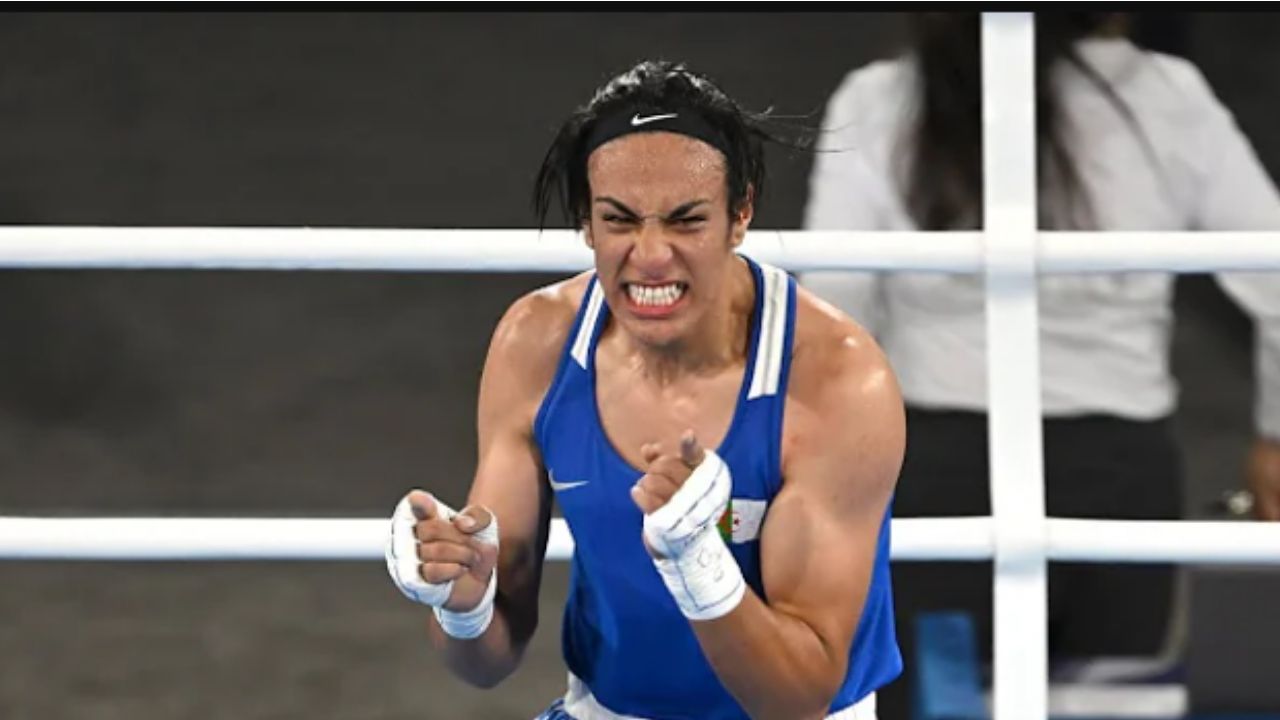
The highlight on Khelif and Yu-ting has been unforgiving. The Algerian boxer Khelif and Chinese sprinter Yu-ting determined themselves embroiled in debates over gender eligibility and hormonal levels, problems that have overshadowed their athletic achievements. Despite their victories, each athletes were subjected to invasive criticisms, with their personal and medical histories laid bare for public scrutiny.
Khelif, who clinched gold amidst the talk, has continued a barrage of assaults questioning her legitimacy and physical attributes. Yu-ting, further, faced relentless questioning approximately her eligibility, casting a shadow over her accomplishments. The emotional toll of such relentless exam has been profound, with both athletes grappling with the invasive nature of those criticisms.
Caster Semenya’s Ongoing Struggle: A Mirror to Khelif and Yu-ting’s Plight
Caster Semenya’s story provides a placing reflection of the issues going through Khelif and Yu-ting. Semenya, who burst onto the scene with a beautiful victory within the 800m on the 2009 World Championships, has been scuffling with the athletics world’s stringent rules concerning athletes with differences in intercourse improvement (DSD). Her intersex circumstance, characterized by way of 5α-Reductase 2 deficiency and increased testosterone tiers, sparked a storm of controversy and brought about her being subjected to invasive sex checking out.
The International Association of Athletics Federations (IAAF) imposed medication necessities on Semenya to suppress her testosterone stages, a flow that seriously impacted her bodily and intellectual fitness. The drugs brought about debilitating facet consequences, including consistent fevers and severe stomach pain. Despite this, Semenya’s resolve remained unbroken, despite the fact that the enjoy left deep scars.
Semenya’s fight against these regulations has been ongoing. She has openly criticized the IAAF for using her as a “human guinea pig” to test the effects of hormonal drugs. Her statement, “I will not allow the IAAF to use me and my body again,” underscores her resistance against what she views as discriminatory practices. Her ongoing battle resonates strongly with the current controversies surrounding Khelif and Yu-ting.
A Shared Experience of Discrimination
In a recent conversation with SportsBoom.com, Semenya reflected on the parallels between her experience and that of Khelif and Yu-ting. She expressed her frustration with the discriminatory nature of the regulations, stating, “Sport is for all people and the constitution says no to discrimination. But the minute they allowed women to be disgraced, it confuses us.”
Khelif, too, has spoken out about the emotional toll of the controversy. In an interview with SNTV, she revealed the profound impact of the attacks on her well-being. “This has effects, massive effects. It can destroy people, it can kill people’s thoughts, spirit, and mind. It can divide people,” Khelif said, highlighting the personal and psychological damage inflicted by the scrutiny.
A Call for Change: Addressing Discrimination in Sports
The experiences of Semenya, Khelif, and Yu-ting factor to a broader trouble within sports activities: the discrimination confronted by way of athletes whose physical traits do no longer conform to conventional norms. The relentless scrutiny of these athletes’ bodies and identities displays a deeper trouble of bias and exclusion in sports.
As the Paris Olympics conclude, the conversations approximately those athletes highlight a vital want for alternate in how sports activities governing our bodies deal with problems of gender and biology. The recognition must shift from invasive scrutiny to celebrating athletic excellence and ensuring that all athletes, regardless of their bodily attributes, are dealt with with admire and fairness.
The Road Ahead
The stories of Semenya, Khelif, and Yu-ting serve as a poignant reminder of the challenges faced by athletes who defy conventional norms. Their struggles underscore the need for a more inclusive and empathetic approach in sports, one that values athletes for their talents and contributions rather than their physical characteristics. As the global sports community reflects on these issues, the hope is that future regulations will be more equitable and supportive, fostering an environment where every athlete can thrive without fear of discrimination.