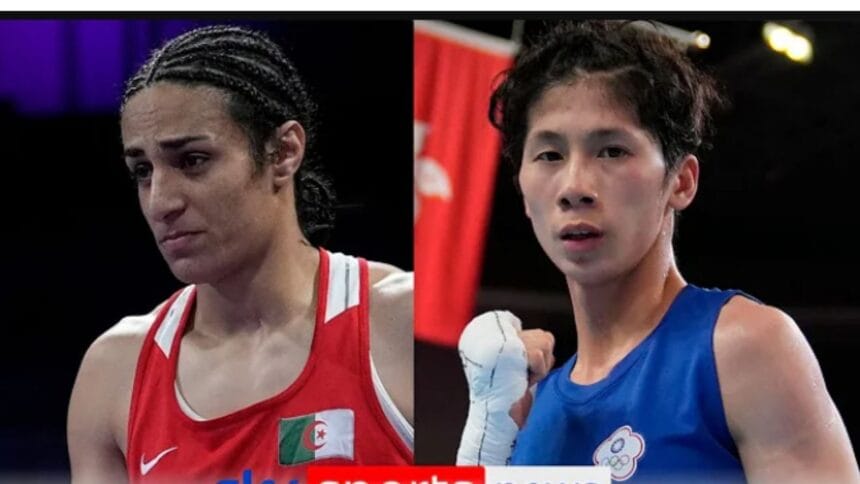
1. WBA President Speaks Out Against Khelif and Yu-Ting’s Inclusion
WBA President Gilberto Mendoza has publicly voiced his concerns regarding the participation of Imane Khelif and Lin Yu-Ting in the upcoming Paris 2024 Olympics. Mendoza believes that their inclusion, despite being born female, is problematic due to their Differences in Sexual Development (DSD), which he argues provides them with an unfair competitive advantage.
2. Khelif and Yu-Ting’s Medal Success Sparks Debate
The controversy intensified as Khelif and Yu-Ting secured medals at the Olympic Games, advancing to the semi-finals in their respective weight classes, featherweight and welterweight. Their success has brought the issue of DSD athletes competing in women’s sports to the forefront, with differing opinions on their eligibility.
3. International Bodies Stand Firm on Eligibility
Despite Mendoza’s objections, the Paris Boxing Unit and the International Olympic Committee (IOC) have maintained their stance, allowing Khelif and Yu-Ting to continue competing. The boxers are scheduled to fight in the semi-finals soon, and their potential victory could further amplify the ongoing debate.
4. Lack of Provisions for DSD Athletes in Boxing
A significant concern highlighted by Mendoza is the absence of specific regulations to prevent athletes with DSD from competing against those without the condition. This lack of provisions has fueled the controversy, raising questions about fairness and the integrity of the competition.
5. Mendoza’s Call for Exclusion Based on Competitive Advantage
Mendoza argues that Khelif and Yu-Ting’s DSD condition grants them male traits, such as increased strength and recovery abilities, which give them an unfair advantage over their competitors. He believes that their participation compromises the fairness and equality that sports should uphold.
6. Empathy and Respect for the Athletes
Amid the controversy, Mendoza has also called for empathy and respect for Khelif and Yu-Ting. He emphasizes that the athletes are not at fault for their condition and have adhered to the eligibility criteria set by the IOC and Paris Boxing Unit. He urges the public and media to approach the situation with understanding and compassion.
7. Sharron Davies’ Perspective on DSD and Sports
Former British swimmer Sharron Davies, a long-time advocate for changes in sports regulations, has also weighed in on the issue. Davies explains that the boxers did not undergo testosterone tests but gender/sex tests, which revealed the presence of a Y chromosome, indicating biological maleness.
8. Misconceptions About Testosterone Levels
Davies further clarifies that testosterone levels are irrelevant in this context. She points to the Dr. Hilary Cass report, which states that individuals with 46XY 5ARD, a condition only affecting biological males, should not compete in women’s sports. Davies argues that the mainstream media must accurately report these facts to ensure the public is correctly informed.
9. The Call for Clearer Regulations and Fairness
Davies advocates for a return to simple, once-in-a-lifetime cheek swab sex screening, as preferred by many female athletes. She believes this approach would prevent the ongoing controversy and ensure fairness in women’s sports, addressing the unique challenges posed by DSD athletes.
10. The Future of DSD Athletes in Sports
The debate over Khelif and Yu-Ting’s participation highlights the broader issue of how sports organizations should handle the inclusion of DSD athletes. As the boxing world and broader sports community grapple with these questions, the need for clear and fair regulations becomes increasingly evident.