The Rise of the Free Agent Era
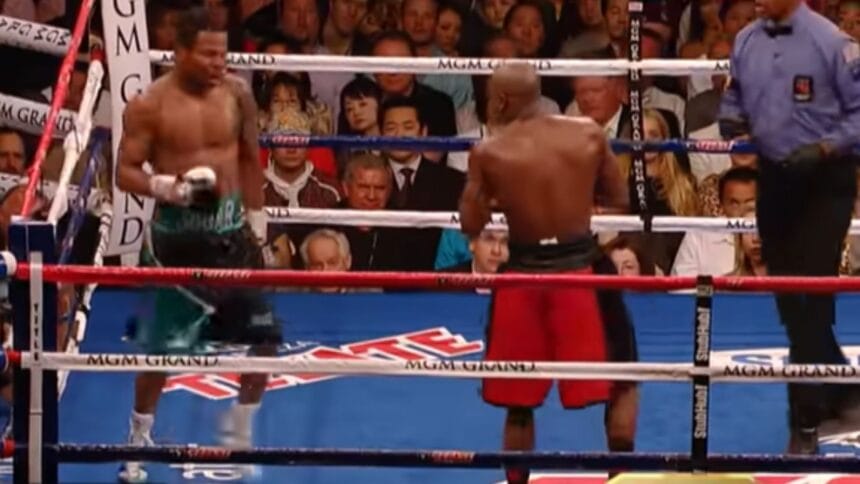
Since 2009, after Floyd Mayweather’s dominant victory over Juan Manuel Marquez, a new trend emerged in boxing: fighters choosing to be their own “boss” and operate as free agents. Mayweather’s success in this model was undeniable. Following his win over Marquez, he signed a lucrative six-fight deal projected to earn him over $200 million. However, the pinnacle of his financial success came with his bout against Manny Pacquiao, which alone nearly doubled those projections.
Mayweather’s Unique Success
In the history of boxing, no other fighter has been able to replicate Mayweather’s financial success as a self-managed athlete. Mayweather’s ability to generate massive pay-per-view numbers and draw incredible interest set him apart. Despite the rise of social media and the potential for celebrity-driven hype, no other boxer has managed to reach Mayweather’s commercial appeal.
Canelo’s Close Call
Canelo Alvarez, at one point, appeared poised to challenge Mayweather’s financial supremacy. Before his fight with Dmitry Bivol, Canelo seemed nearly invincible and capable of drawing enormous revenue. However, his allure has since diminished, and the dream of achieving Mayweather-like earnings has faded.
The Reality of the “Boss” Model
The concept of being one’s own boss in boxing has largely failed for others. Despite the potential for large earnings and control over one’s career, most fighters have struggled to match Mayweather’s success. The marketability, appeal, and commercial draw that Mayweather commanded have proven difficult for others to achieve.
The Missed Opportunities
Danny Garcia is a prime example of a fighter who had the potential to become a pay-per-view superstar but fell short. Despite his urban appeal, entertaining fights, and charismatic father, Garcia only headlined one pay-per-view event. His career, instead, was marked by significant fights, like his bout with Keith Thurman, being broadcast on free TV rather than pay-per-view.
Errol Spence and Adrien Broner
Errol Spence Jr. also didn’t reach the commercial heights expected. Meanwhile, Adrien Broner famously rejected a $40 million deal from RocNation, a decision that arguably stalled his career. These fighters, among others, exemplify the struggles of trying to emulate Mayweather’s “boss” model without the same success.
Devin Haney’s Struggles
Devin Haney, a vocal proponent of being his own boss, recently expressed frustration when Matchroom didn’t bid for his fight. Haney’s experience highlights the difficulties fighters face in maintaining their market value and securing lucrative deals without the backing of a major promoter.
The Lone Success Story
Floyd Mayweather remains the solitary success story in the “boss” model of boxing. His ability to control his career, secure massive earnings, and maintain his undefeated record stands in stark contrast to the numerous failed attempts by other fighters to follow in his footsteps.
The Lesson for Fighters
The trend towards fighters managing their own careers has shown that being one’s own boss in boxing is fraught with challenges. The success of this model appears to be the exception rather than the rule. For most fighters, securing a promoter remains a more reliable path to financial and career success.
The Future of Boxing Promotions
The push to eliminate the pay-per-view model in favor of streaming apps has further complicated the landscape. While the intention was to broaden accessibility and reduce costs, it has led to debates about capping earnings and the viability of the pay-per-view model. The reality is that fighters still need promoters to navigate this complex environment and maximize their earnings potential.
Conclusion: The Promoter’s Value
The “boss” model in boxing, despite its appeal, has proven to be largely unsuccessful outside of Floyd Mayweather’s unique case. Fighters would do well to consider the value of having a promoter, someone who can secure fights, manage career trajectories, and maximize earnings. The dream of being a self-managed superstar may be enticing, but the practical benefits of a promoter often outweigh the challenges of going it alone.