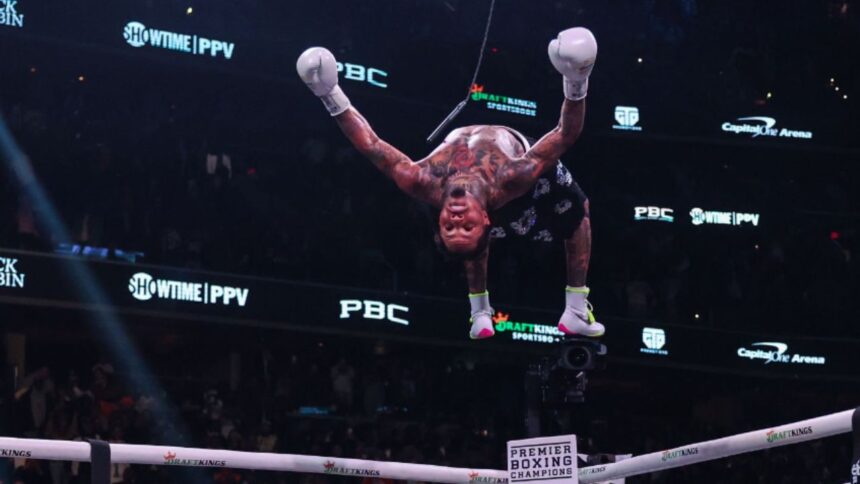
“Gervonta Davis Reveals the Biggest Problem With Saudi’s $5 Billion Takeover”
In a ambitious revelation, Gervonta Davis, renowned light-weight champion, has voiced skepticism about Saudi Arabia’s bold $5 billion investment plan to revolutionize boxing. The idea, spearheaded via Saudi Arabia’s Public Investment Fund (PIF) and His Excellency Turki Alalshikh, aims to unify important boxing promotions below one league, comparable to UFC’s shape.
The capacity investment involves obtaining minority stakes in outstanding entities like Matchroom, Queensberry, and Top Rank. Despite the promising imaginative and prescient of creating a aggressive platform wherein champions face off regardless of promotional limitations, Davis raised a important factor during an interview with ES News: the dearth of consensus among promoters.
Gervonta Davis said, “I mean, that would never happen…” As to why it wouldn’t happen, Davis said, “…Because everybody don’t agree [with each other], everybody [is] not on the same page”.
Davis candidly remarked all through his recent face-off with Frank Martin, “I suggest, that would by no means happen… Because every body don’t agree [with each other], all people [is] no longer on the same page.” His skepticism stems from the longstanding divisions and conflicting pastimes amongst boxing’s key stakeholders, which he believes hinder any sizeable reform efforts.
The modern panorama of boxing is governed with the aid of a couple of sanctioning bodies, every with its very own set of titles and regulations. This fragmentation frequently results in champions warding off risky matchups, perpetuating the sport’s grievance of protecting undefeated statistics as opposed to fostering true opposition.
While the proposed Saudi-sponsored initiative ought to doubtlessly streamline the game and beautify its worldwide enchantment, Davis’s skepticism underscores a essential barrier: the reluctance of promoters to relinquish manipulate and collaborate within the interest of the sport’s integrity and growth.
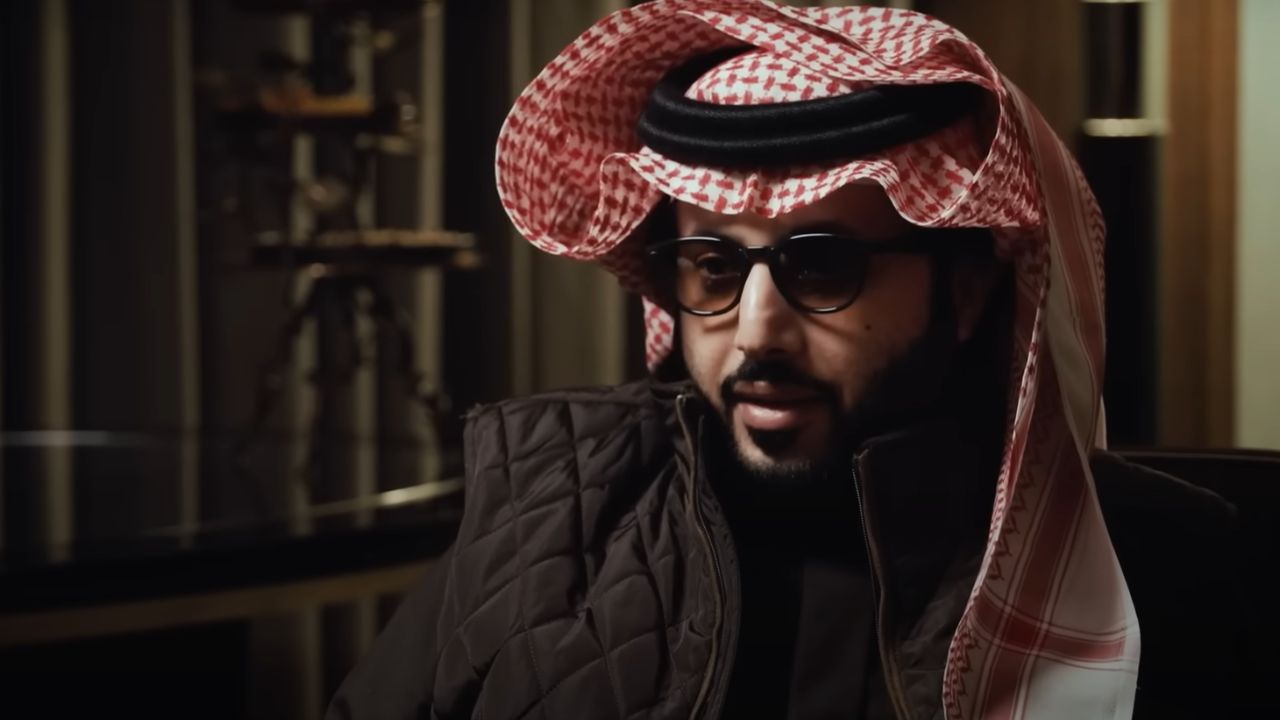
In addition to boxing, Saudi Arabia’s PIF has been aggressively expanding its sports portfolio, such as ventures into cycling with discussions to establish a dedicated league related to primary European teams. This move follows the dominion’s extensive investments in football, motorsports, and different worldwide wearing events, marking a strategic pivot towards sports activities tourism and financial diversification past oil revenues.
Despite Davis’s reservations, the allure of Saudi Arabia’s economic muscle remains simple. The kingdom’s pressure to position itself as a sports activities hub aligns with broader monetary reforms aimed toward reducing dependence on oil revenues and attracting international traffic.
As discussions progress, the boxing world watches closely to see if Saudi Arabia’s bold vision can overcome the entrenched interests that have historically resisted significant structural changes. With billions at stake and the allure of transformative potential, the outcome could reshape the future of professional boxing on a global scale.